This time on the not-yet-flowering crab apple.

February 8th, 2012 § 0
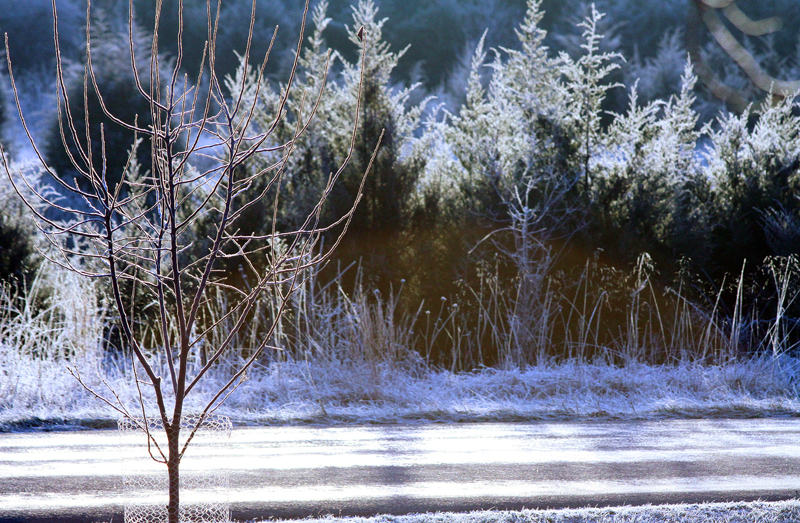
This time on the not-yet-flowering crab apple.
February 6th, 2012 § 0
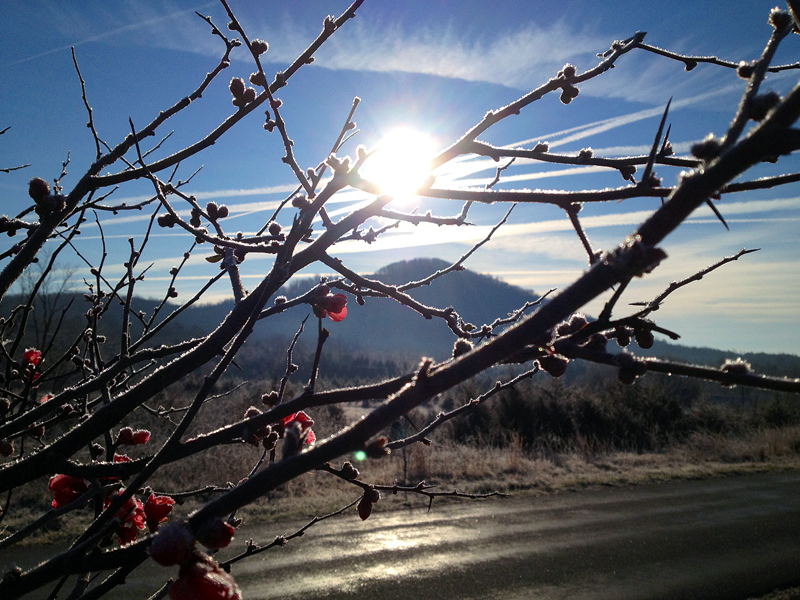
With Buck Mountain in the background.
January 1st, 2012 § 3
In 2011 the pace of construction at Bonafide Farm slowed a bit—but of course when compared to building an entire house in 2010 that doesn’t mean much. But thanks to some pretty vigorous goal setting and the sweat of myself and others we accomplished a lot. All items in bold are linked to their original posts if you want to read more.
And so, in 2011, I:
Created a garden from scratch, and fed myself and others from it
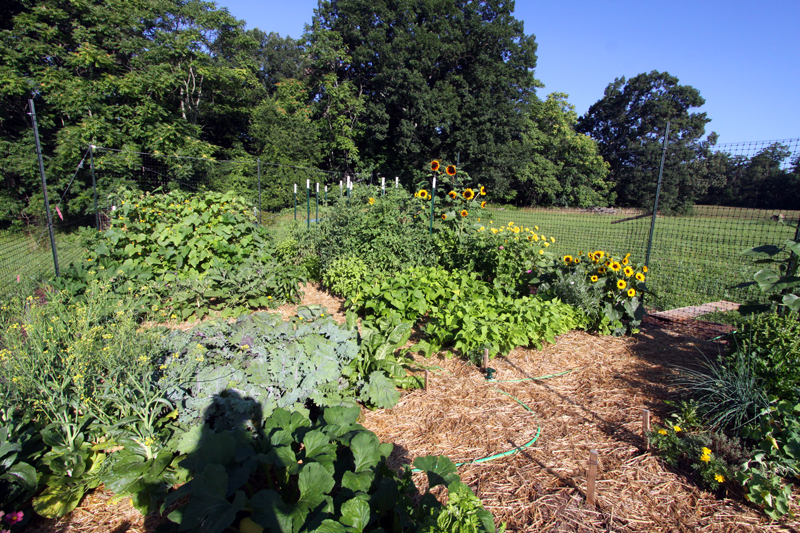
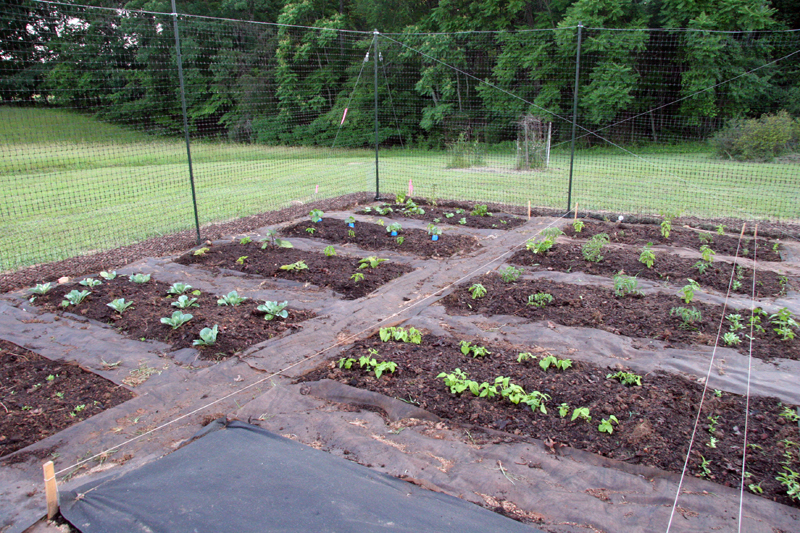
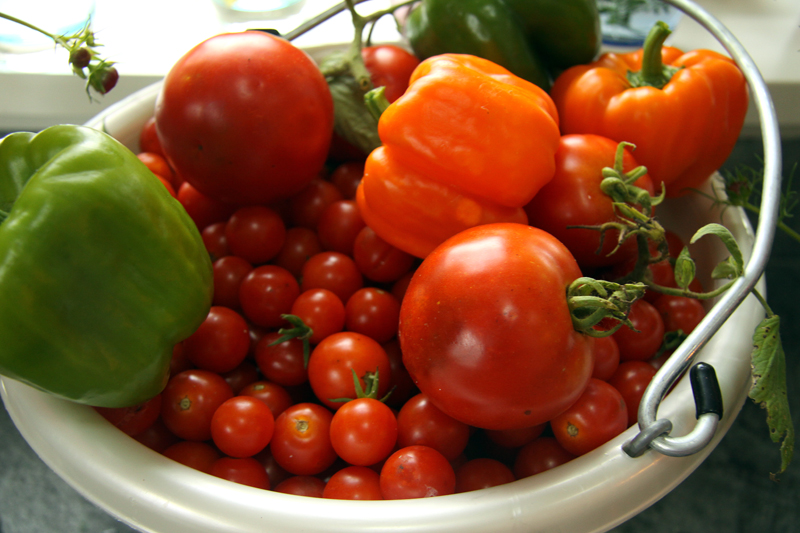
Carving a garden space out of a field was a major undertaking, and fencing and tilling and adding soil amendments and lining paths with landscape cloth took much of the fun out of the early garden season. But even with a late start I harvested my own food from May to late December, and for much of the summer ate only produce I grew. Plus, I gave bags of vegetables to coworkers, friends and family. Not bad for the first year out.
Completed the crawl space pit
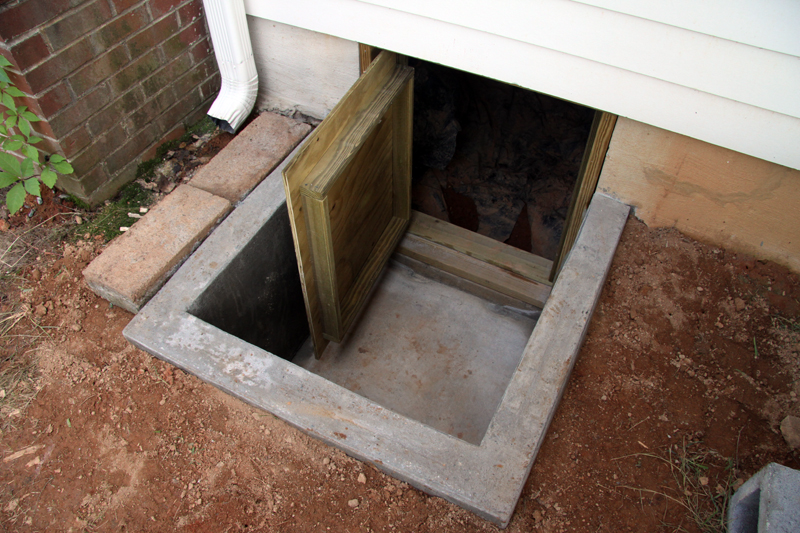
Several summer weekends, including a historically hot Independence Day weekend, were devoted to mixing and pouring concrete to make the walls of my crawl space entry. This project was started in 2010, and I rest easier knowing my crawlspace is sealed off from, well, the creepy crawlies. The finished product is awesome and will be here long after I am dead and gone, but remind me next time to do concrete work when it’s not 100 degrees outside.
Designed and manufactured garden row covers to fight insects
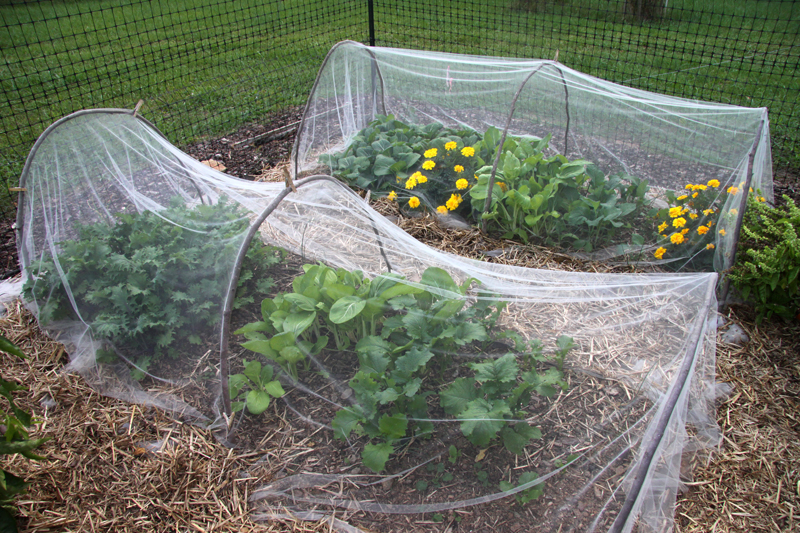
Sweat + seed ticks is all I will say about this August project. But the infrastructure is in place for 2012’s covered rows.
Installed new forest
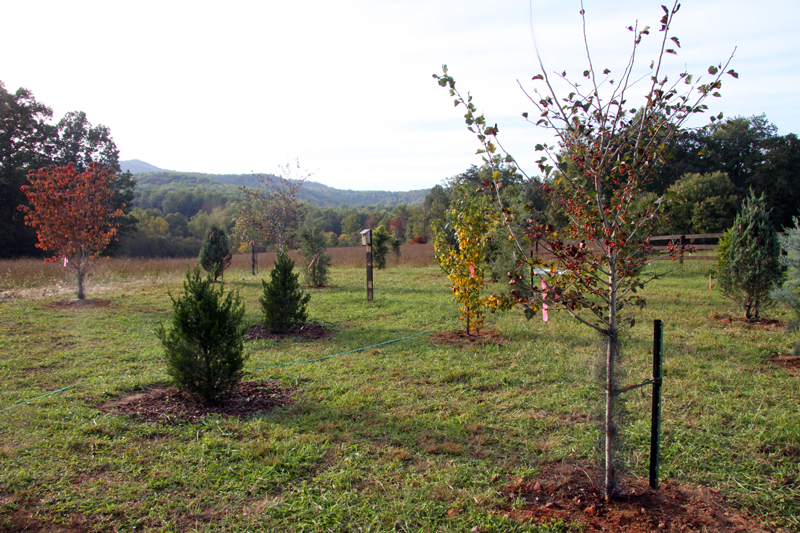
A couple of backbreaking weekends in September and I have a new mower slalom course in my back yard. Which, someday, I hope will be a living screen between my neighbors, the road, and my house.
Installed porch ceiling
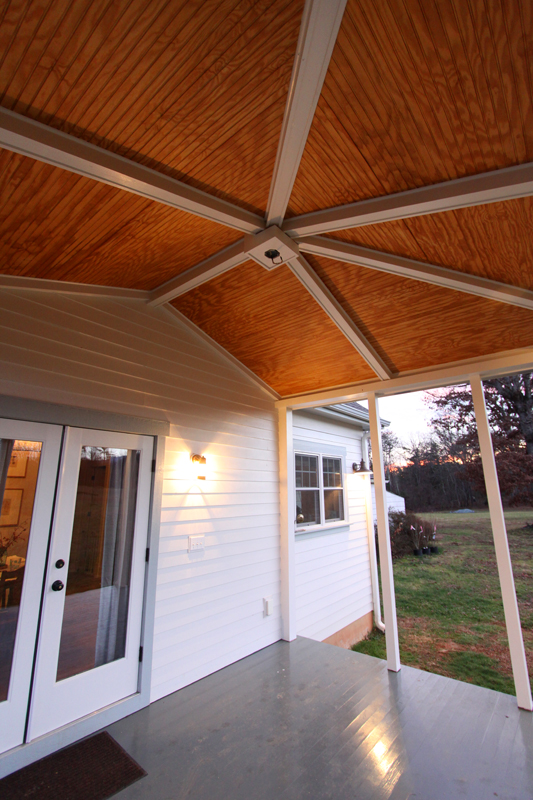
Dear starlings and mice: Consider yourselves evicted. Now to pick a cool fan for the box up there, install some rope lighting, and reinstall my outdoor speakers…
Trimmed coop
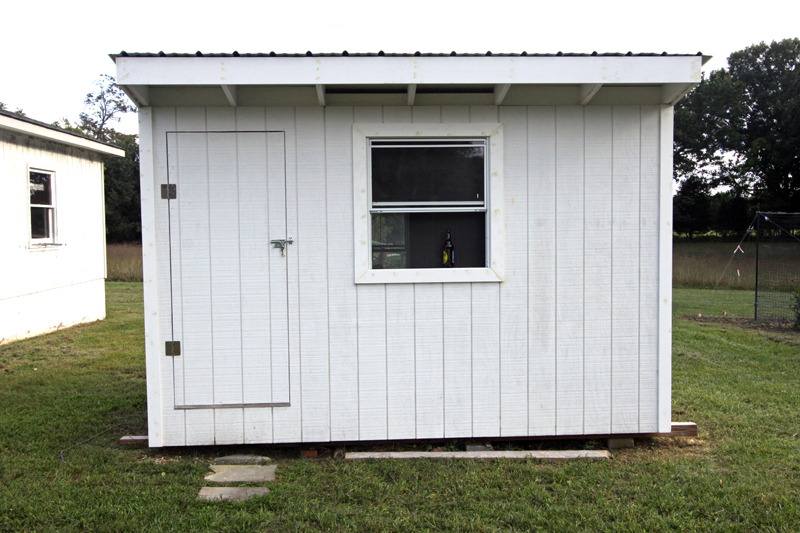
More than a year after the guineas first moved in, their little house is finally looking finished. I just need to hang a window box to pretty it up!
Repaired the garage and installed new doors and openers
This is the post I teased a while back but never got around to writing even though it was the single largest structural and cosmetic undertaking of the year. Much of October and November was spent supervising the repair of this:
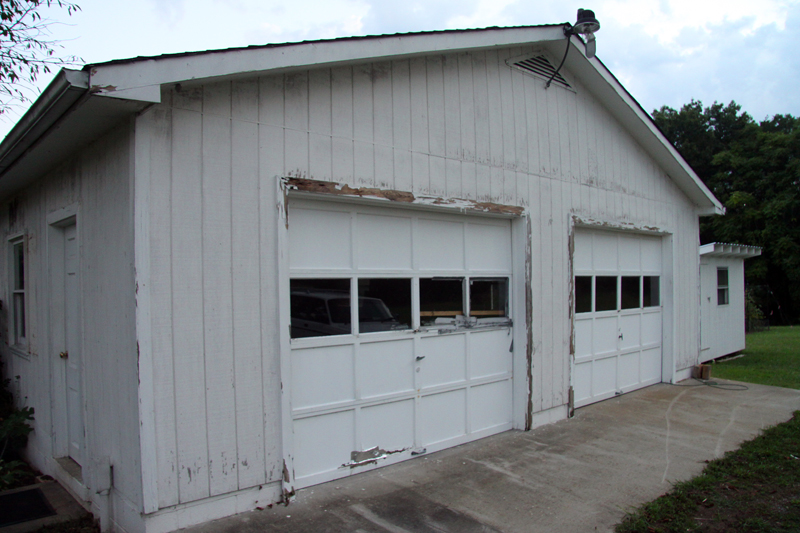
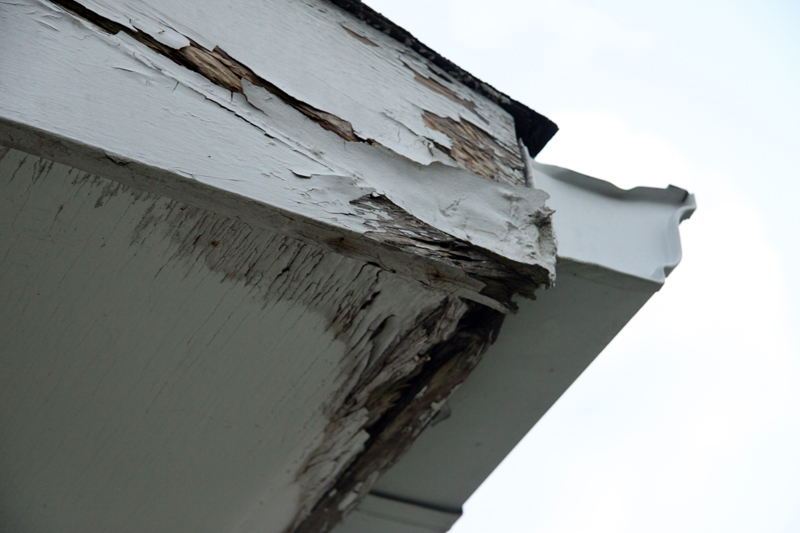
Now it looks like this: 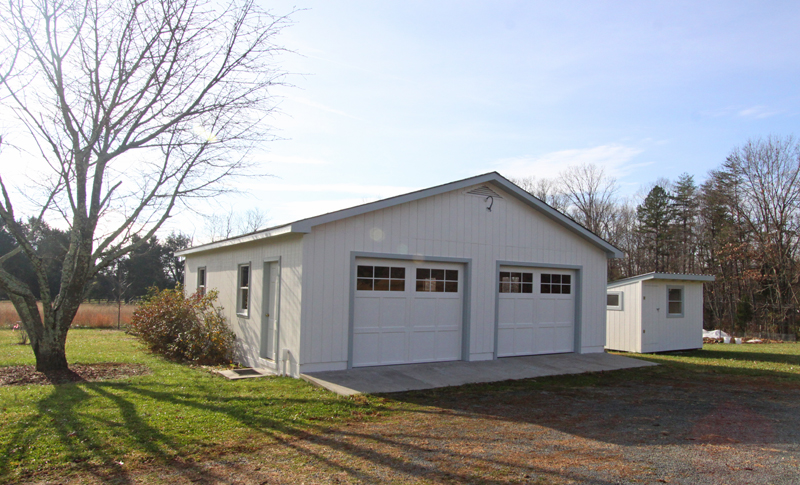
And when I come in the driveway after work, it’s such a luxury to push a button and have a garage door open—instead of parking and staring at a depressingly decrepit duct-taped mess.
Painting!
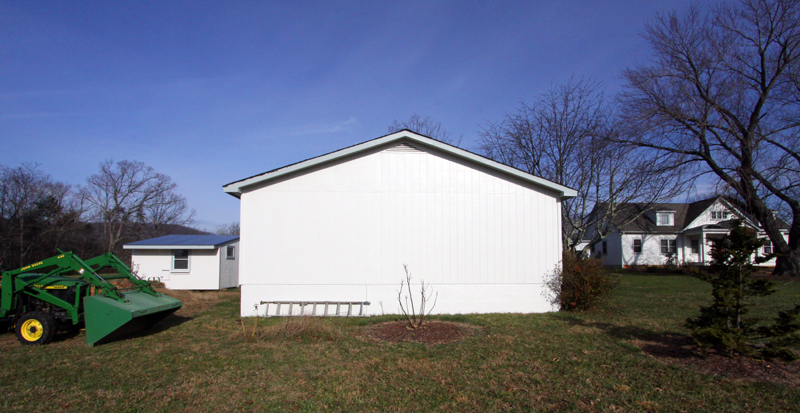
This fall, the completed porch ceiling, repaired garage and newly trimmed coop all got painted to match the house. I am trying to tie all my buildings together and the paint goes a long way toward that goal. As a bonus, I also had the front porch ceiling sealed and both porch floors repainted.
Personal goals
Though all of the above could fall under the personal goal of creating a farmish home, I also got to check off two major life list items.
I learned how to homebrew
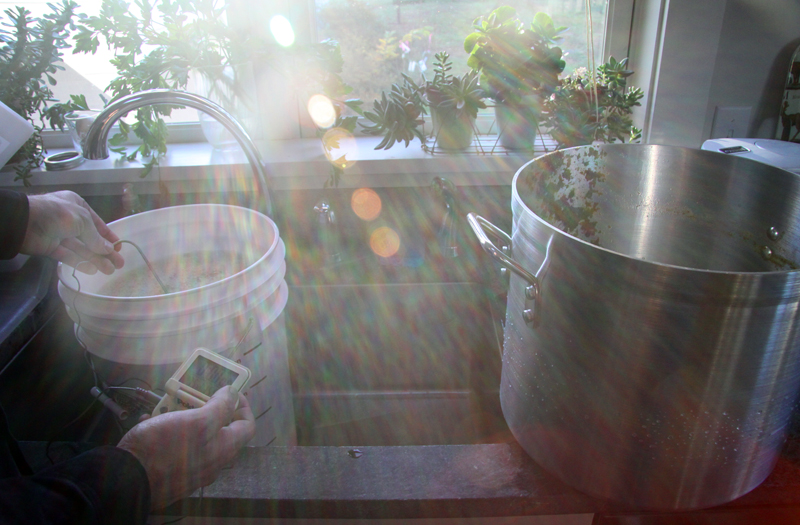
For this goal I am grateful to Brad, who set me down the path of true beer appreciation and shared his expertise over a very hoppy early November weekend. I raise a glass of my first IPA to you.
And, I raised a puppy
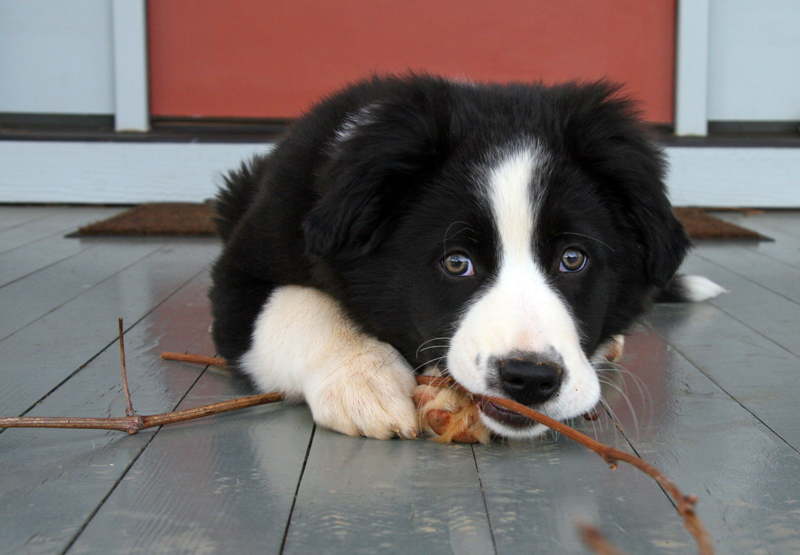 April 3, 2011
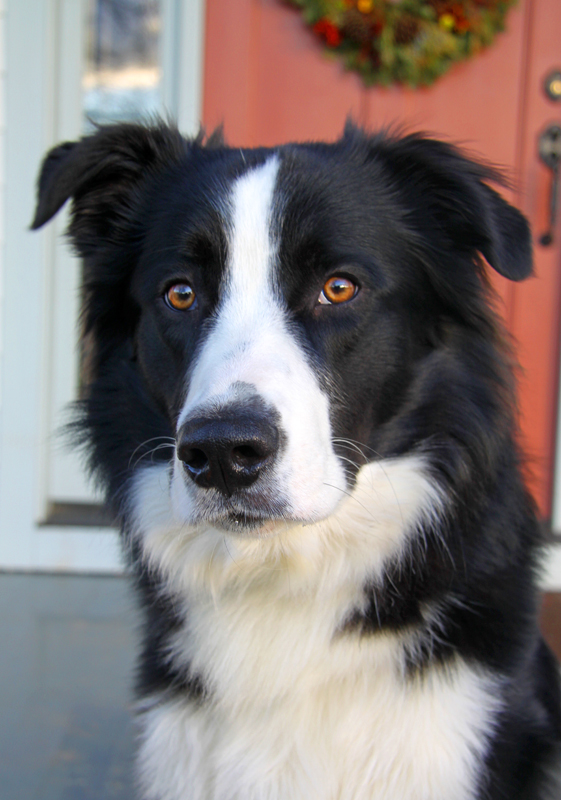 December 23, 2011
Wow, what an experience that was—and, as he nears his first birthday, continues to be! To say he turned my views of both dogs and relationships on their head doesn’t even touch it: all the things I worried about were nonissues and the parts I thought would be easy turned out to be the most challenging. I wouldn’t call much of it fun, but I am incredibly pleased with how Tuck is turning out, and grateful to him that he’s still willing to hang out with me—sleeping at my feet as I type this. I can’t wait to see how he matures.
So those were the highlights of 2011. I think it’s a fair amount accomplished, particularly in addition to living alone and working a full-time job. I am aware, however, of how none of it could have been done on my own. The two people who made most of it possible are my dad, who possesses the magical combination of neverending creativity, intelligence and energy, and who worked next to me through all these construction projects in addition to having his own full-time job and farm, and my mom, under whose loving attention Tucker has thrived and without whom I would never have been able to cross “raise a puppy” off my life list. Thank you both for being totally awesome.
And I would be remiss if I did not mention the cast of characters who move through this place, lending their skills and friendship to this dream. I am a very blessed girl. Thank you all, and we’ll reconvene soon to talk about plans for 2012.
December 28th, 2011 § 0

December 9th, 2011 § 0
After the cardboard went down, I trekked into the woods to raid the pile of soiled guinea house bedding.

I found lots of nice worms in this material—no doubt because I recently released my “house worms,” which I’d kept in worm bins for the last four years, here.


That layer was followed by a good 8″-12″ of straw.

With this addition my beds were definitely what you’d call “raised!”

Finally I applied a thin layer of compost on top of the straw, mainly to hold it in place and to help seal in moisture. I also went ahead and mulched under two beds of winter greens, but not before I harvested the last kale and bok choy. I left only one bed untreated—figuring it will provide an interesting control!
And so with some gift compost, old boxes, and a couple of bales of straw—along with several weekends of nonstop shoveling and wheelbarrowing—I’m left with an overuse injury in my elbow and what looks like a graveyard in my pasture.
The best part is that now all I have to do is let the garden sit for the next five months while the worms and bacteria and microorganisms do their good work. Come April, I hope to be sowing spring greens in rich hummus.
I’ll report back next spring and let you know how my first sheet mulch performed!
December 6th, 2011 § 2
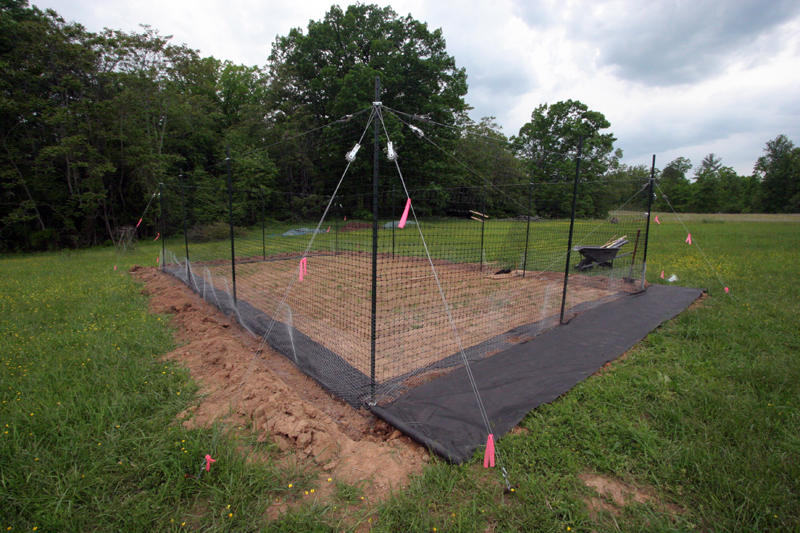
Since late October I’ve been working on putting the garden to bed for winter. As I started to explain in this post, in year’s past I just ripped out the frost-blackened vegetation and made sure there was a thick layer of straw on the ground before abandoning the garden over winter. That worked well, but with this new garden I wanted to try harder. I also sensed that my soil fertility might be low. I know that soil is something that’s built over time, but I believe that some of the trouble I had with insects could be resolved by improving soil fertility, which leads to more resilient plants that are better able to defend themselves. Enter sheet mulching.
I’d read about sheet mulching in Gaia’s Garden, what some consider to be the Bible of permaculture, and which I found to be one of the best books I’ve read on gardening. I came to the conclusion that sheet mulching is basically creating the optimal home for worms to set up housekeeping, and as a big fan of the power of worms for improving soil, I was sold.
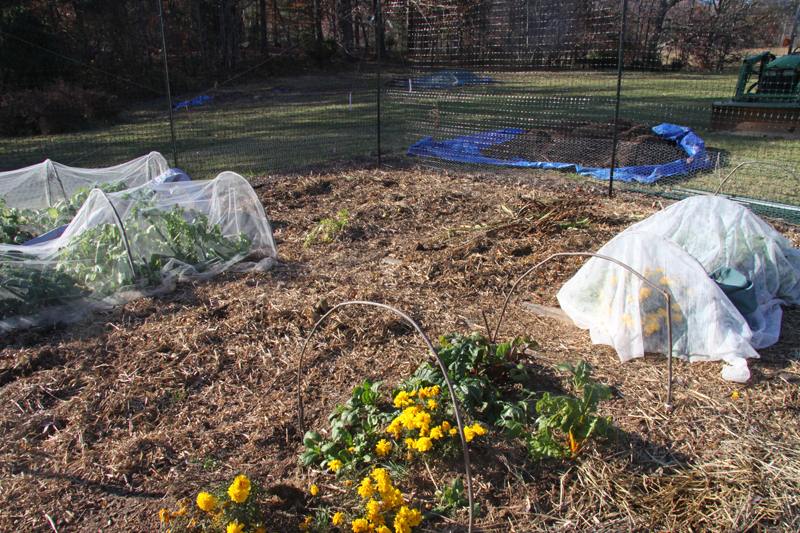
First I pulled out the really big, tough dead plants—the tomatoes and the toughest parts of the dead dahlias. I cut the rest of the lightweight vegetation to the ground and left it lying in the beds for a layer of nice, nitrogen-rich greens. I still had three beds producing winter greens and salad lettuce under row covers and plastic, so I left those standing.
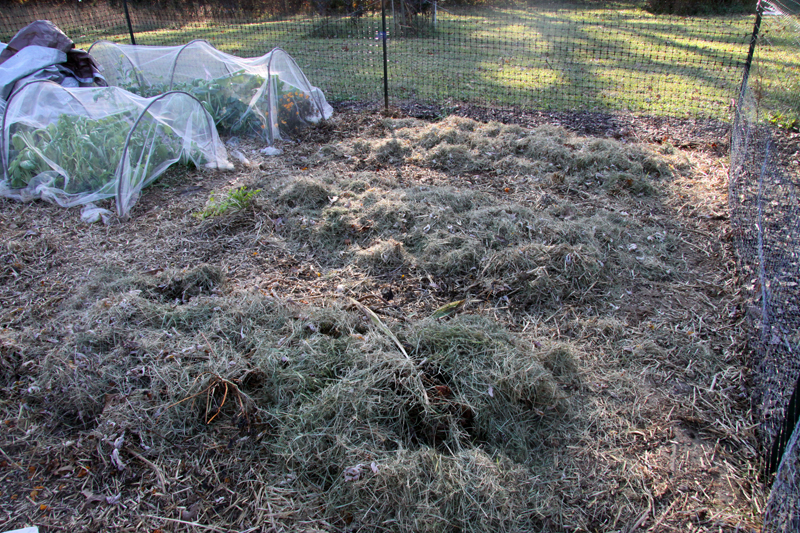
Next came even more high-nitrogen material—first a nice scattering of blood meal, much to the delight of the dog who was helping me assemble my sheet mulch, and then I added a thin layer of grass clippings I raked out of the field.
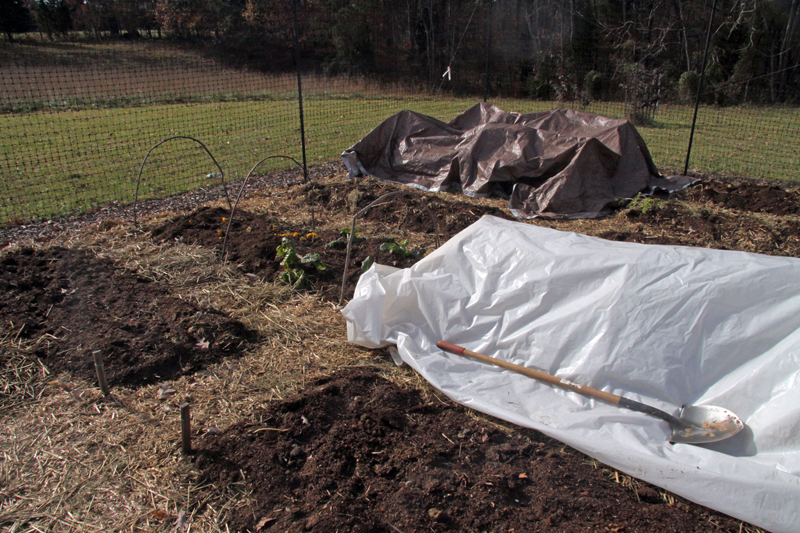
Then I shoveled on a thick layer of well-rotten horse manure compost, delivered by my dad from his private stash.
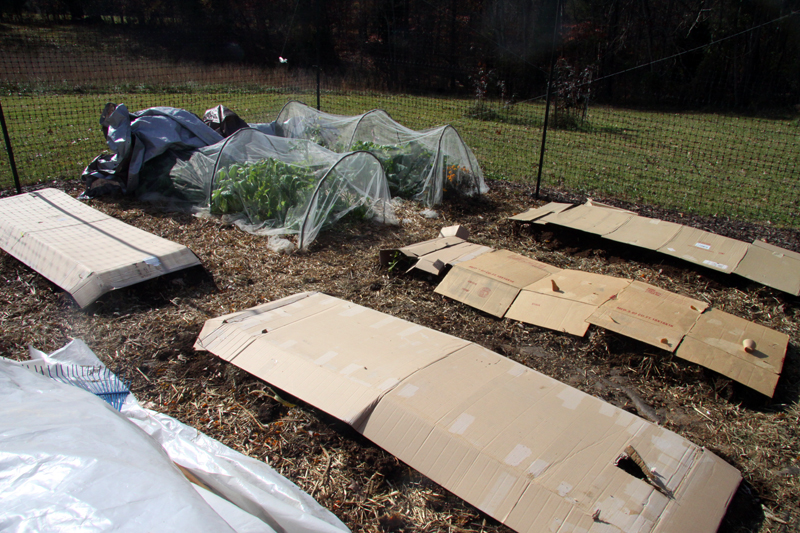
Finally it was time for the fun part: adding the cardboard boxes. If one were sheet mulching over existing turf, the boxes would form a light-impenetrable barrier that would smother all existing vegetation. I was working with already-prepared beds so I wondered if this was necessary. But then I remembered how much the worms I kept in worm bins loved cardboard—and my herbalism teacher mentioned that worms are attracted to tasty sugars in the cardboard and work their way through all the layers of sheet much to get to the banquet—and by doing so create rich soil.
So down went the boxes, some of which I’d had for almost ten years and that had seen me through cross-country moves. In the small apartments I lived in before moving here I’d kept these boxes stashed under my bed, always ready for the next move that undoubtedly was just a couple of years away. There was something so sweet about finally retiring these boxes and using them to build the future of the food for this home.
Another important tip for sheet mulching—lots of water. Each layer needs to be soaked with water so that the worms are well-plumped and everything gets nice and rottey and just right for decomposition.
Stay tuned for the finished project later this week…
November 16th, 2011 § 1
The recent hard freezes signaled to me that it was time to put the garden to bed for the winter. In gardens past, specifically the community garden plot I tended in Arlington, Va., I have simply ripped the blackened stalks from the earth and retreated to the comfort of central heating and daydreaming with seed catalogs. However, even when I was doing that I left a thick mulch of straw over the entire garden. After a few years—right around the time I decided to leave the city for the country—I noticed that without hardly trying I’d built an incredibly rich soil thickly inhabited by beneficial earthworms.
Though I acted out of instinct while I was tending that garden, I have since come to know that others, such as the incredible Ruth Stout, tout the benefits of a thick mulch. Watch this video and you’ll see the woman who’s influenced my approach to my garden, both physically and philosophically, as well as the woman I hope to be in 50 years. Actually, I pretty much aspire to be her right now. Particularly when it comes to the Roman couch breakfast.
If you’re really in to it, she continues:
This post started out as my explanation of the sheet mulching I undertook last weekend, but while writing I grew too re-enamored of Ruth to even go there. So I will stop and pay attention to this inspiration. I hope that you will enjoy these videos, for this woman has much to say.
And some day, while working in my garden, I may make the cars stop on Free Union Road.
October 30th, 2011 § 0
My summer 2011 garden is officially over.
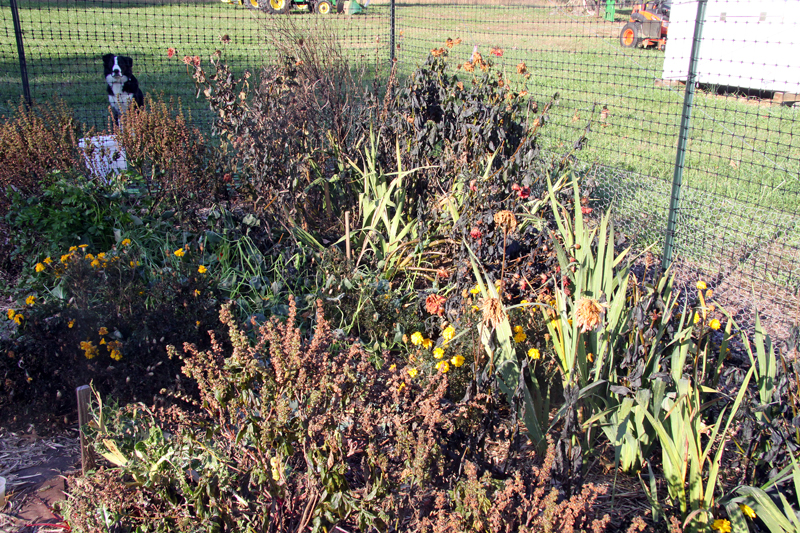
The first freeze of this winter arrived last night, capping off a day that started with snow (!) This morning the garden is black and wilted and the only thing left to do is rip out the plants, dump compost and straw on the beds to enrich the soil during winter, and retire to the house. For a long, long time.
This summer passed the fastest of any in my life, and in many ways I feel I missed my favorite season this year. Although a part of me is ready for a break from the work of the garden, I am sad to see it go. Summer is my best time because I feel healthiest when I am outside a lot, working in the dirt and sun, sweating and nurturing young plants and taking my food right from my land to my kitchen.
I view the approaching winter with trepidation. I hate waking up in the dark. I hate driving home from work in the dark. I work in a windowless office so in the winter I only see the sun for a few minutes each day. Which, for someone who needs light, is a form of torture.
I am trying to get excited about a winter of resting and reading by the wood stove—bribing myself with new books and lofty self-enriching goal setting—but I know the next several months will be a challenge that’s even greater than the physical one I put myself through during the growing season.
Summer 2011, I barely knew ye.
October 20th, 2011 § 1
My dinners this week have all looked like this:

How lucky to be able to eat a painting for dinner in late October!
These greens are the product of my experiment with row covers, fall planting and benign neglect. As you know, I scratched these seeds into the soil after ripping out summer plants. I watered them maybe once and then left them alone other than to occasionally snip in half a renegade caterpillar.
The salad greens, bok choy, and Red Russian kale (which wins my esteem for its beautiful color and shape) are doing the best. There’s also a very bitter green that’s satisfying my fall craving for bitterness…and probably more healthfully than the imperials I.P.As I have been drinking to scratch the same itch.
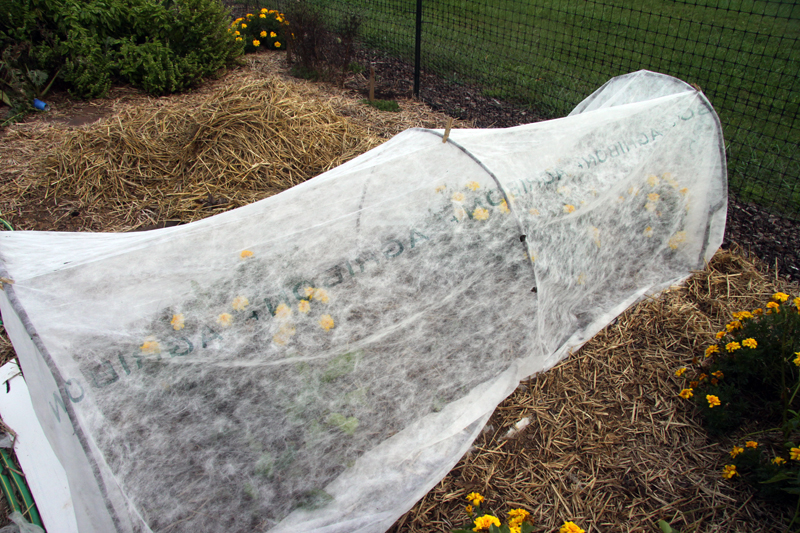

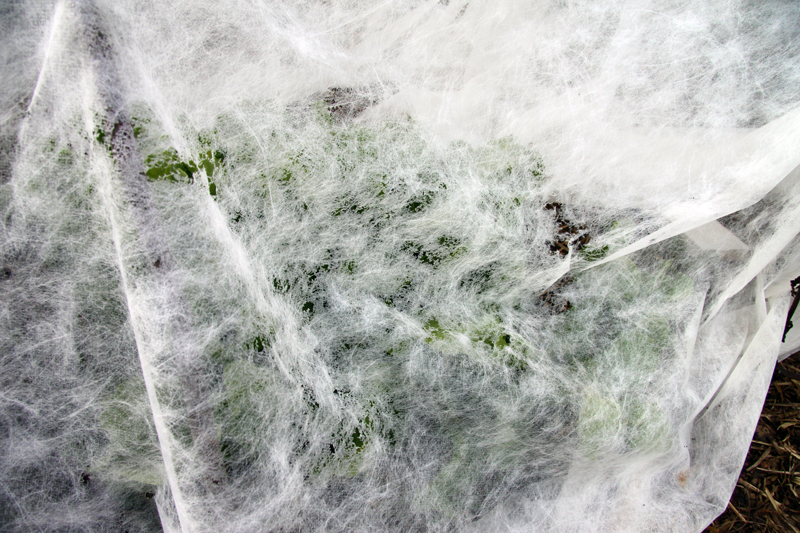
I have to report mixed success with the Agribon 15 row cover. I am sure it is better than the wedding netting at keeping out bugs, except that in even the short time that it’s been up it’s started disintegrating.

And the wedding netting is still looking like the day I put it up. Something to keep in mind when I use the Agribon for next year’s garden–I will more than likely have to replace each cover a few times during the growing season.
October 17th, 2011 § 0
My little Fuyu persimmon has put all its summer’s effort into these three beauties.

There was more fruit on the tree, but as the season progressed it fell. These three hung on and I’ve been watching them get oranger. Each morning I expect them to be gone, but if my luck holds I’ll get to enjoy this “fruit of the gods” very soon.